Every Color Choice Counts: How Coloring Quietly Builds Decision-Making Confidence in Kids
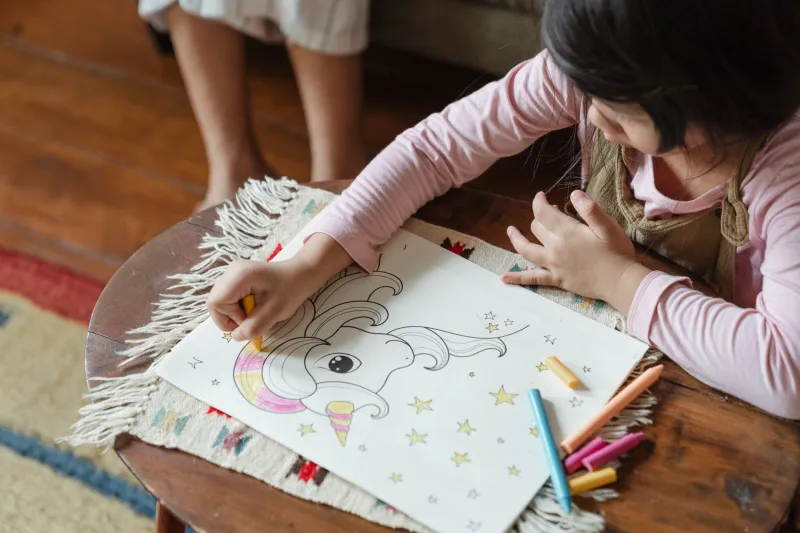
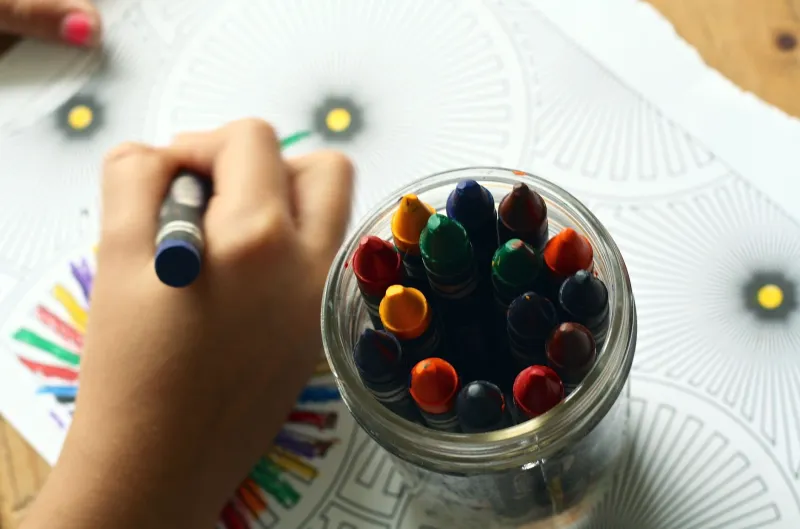
Picture this: your seven-year-old is hunched over a coloring page, brow furrowed, holding a purple marker in one hand and a blue one in the other. To you, it looks like a minor moment. To their developing brain? It's actually a workout.
That small pause — which color goes here? — is happening dozens of times in a single coloring session. And according to child psychologists and educators, all those micro-decisions add up to something pretty significant over time. Coloring, it turns out, might be one of the most underrated confidence-builders hiding in plain sight.
The Decision Gym No One Talks About
When we think about building decision-making skills in kids, we usually picture bigger scenarios — choosing extracurricular activities, navigating friend conflicts, or figuring out how to spend their allowance. But developmental psychologists point out that confidence in decision-making is built incrementally, through repeated low-stakes practice.
Coloring offers exactly that kind of practice environment. A child working through a digital coloring page on a platform like Coloring Fun isn't just filling in spaces — they're constantly evaluating options, committing to choices, and living with the results. Should the dragon be red or orange? Does the background look better in light blue or gray? What happens if I try something unexpected, like a green sky?
Dr. Sandra Crossman, a child development specialist based in Chicago, describes it this way: "Creative activities that involve repeated choice-making give children a safe sandbox to practice something that feels hard in real life. When a child gets comfortable saying, 'I chose this, and that's okay,' they start to carry that feeling into other areas."
When 'Wrong' Doesn't Exist, Kids Take More Risks
One of the most powerful things about coloring — especially digital coloring — is that there's no objectively wrong answer. A purple elephant is just as valid as a gray one. That creative freedom sends a message to kids that their instincts are worth following.
This matters more than it might seem. Many children, particularly in school settings, become so conditioned to seeking the "right" answer that they freeze when faced with open-ended choices. The fear of being wrong can quietly erode confidence over time.
Coloring disrupts that pattern. When a child learns through experience that their color choices are respected — by a parent, a teacher, or even just by looking at their finished page and feeling proud of it — they begin to internalize a simple but powerful belief: my judgment has value.
Educators who've incorporated digital coloring tools into classroom routines have noticed this shift firsthand. "I started using online coloring activities as a warm-up exercise," says Maria Tillman, a second-grade teacher in Austin, Texas. "Within a few weeks, I noticed that the same kids who used to wait for me to tell them what to do were starting to make independent choices more quickly during other parts of the day. They seemed less afraid to just go for it."
The Palette Problem: How Complexity Scales Confidence
Here's something interesting about digital coloring platforms specifically: the sheer number of color options available can actually serve as a confidence-building tool in stages.
A young child just starting out might stick to a small set of familiar colors — the same way they'd default to familiar choices in life. But over time, as they grow more comfortable, they start experimenting with the full palette. They try a teal they've never used before. They blend shades. They develop what you might call a creative voice.
Child psychologists refer to this progression as "graduated autonomy" — the process of expanding one's comfort zone in small, manageable steps. Coloring naturally scaffolds this process without anyone having to engineer it. The platform provides endless options, and the child decides how far to venture into them.
This gradual expansion of creative risk-taking mirrors the way confidence grows in real-world decision-making. Kids who regularly push their creative boundaries — even in something as simple as choosing an unconventional color combo — tend to show greater willingness to try new things socially and academically too.
What Happens When They Don't Love the Result
Not every coloring page turns out the way a kid imagined. Sometimes the colors clash. Sometimes a choice that seemed brilliant at the start looks off once the page is done. And that's actually a good thing.
Learning to sit with imperfect outcomes — and still feel okay about the process — is a critical piece of healthy decision-making. Kids who only experience success can become surprisingly fragile when things don't go their way. But a child who has regularly made choices, seen mixed results, and kept going anyway? That's a kid building real resilience.
Digital tools make this even more accessible because many platforms allow kids to undo choices and try again. That feature, used thoughtfully, teaches another valuable lesson: decisions aren't always permanent, and adjusting course is a normal part of the process — not a failure.
"We want kids to learn that making a decision and then refining it is actually the mature approach," notes Crossman. "Coloring gives them a concrete, visual way to experience that."
Turning Coloring Time Into a Confidence Conversation
Parents can amplify the decision-making benefits of coloring with a few simple habits:
- Ask, don't tell. Instead of suggesting colors, ask your child what they're thinking. "What made you choose that shade?" validates their reasoning process.
- Celebrate the choice, not just the outcome. Praise the decision-making itself — "I love how you went with something unexpected there" — rather than only commenting on how pretty the final result looks.
- Let them lead. Resist the urge to jump in when they're deliberating. That pause before choosing is the workout. Let it happen.
- Try it together. When parents color alongside kids and narrate their own choices out loud, it models confident decision-making in a totally natural, pressure-free way.
Small Choices, Big Payoff
It's easy to overlook what's really happening during a coloring session. From the outside, it looks like a quiet afternoon activity — something to keep the kids occupied while dinner's on the stove. But underneath that calm surface, something genuinely useful is unfolding.
Every color a child picks, every palette they experiment with, every creative gamble they take on a page is a small deposit into their confidence account. And like any savings, those deposits compound over time.
So the next time your kid spends five minutes agonizing over whether to make the ocean teal or navy, don't rush them. That moment of deliberation? That's the whole point.