Not All Colors Are Created Equal: How the Right Hues Can Help Anxious Kids Feel Safe Again
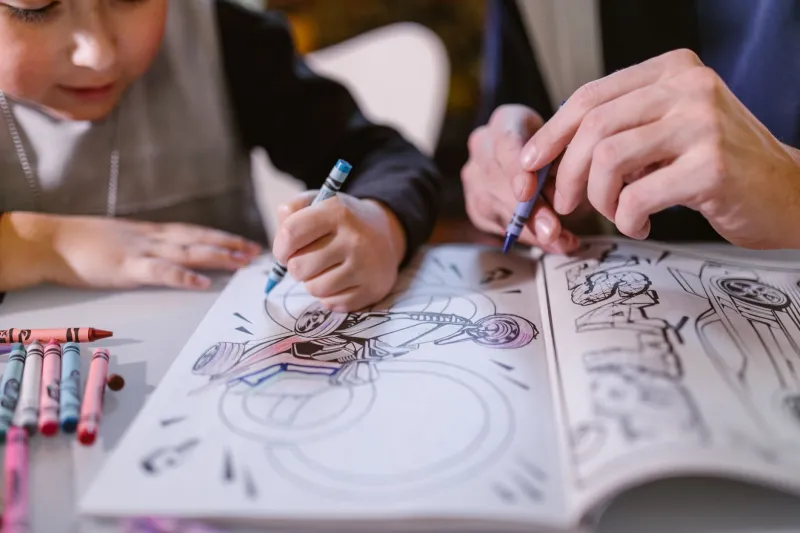
If you've ever noticed your kid gravitating toward the same blue crayon over and over again during a stressful afternoon, there might be more going on than random preference. Color has a direct line to the brain — and for children who struggle with anxiety, worry, or emotional overwhelm, the hues they surround themselves with (and color in) can genuinely make a difference.
This isn't fringe science. Researchers studying chromotherapy — the practice of using color to influence emotional and physiological states — have spent decades mapping out how different wavelengths of light affect everything from heart rate to cortisol levels. And the findings are pretty fascinating, especially for parents and teachers looking for low-effort, high-impact tools to support kids' mental wellness.
Why Kids' Brains Respond to Color So Intensely
Here's the thing about children: their nervous systems are still developing, which means they're actually more sensitive to environmental stimuli than adults. That includes color. A 2019 study published in Frontiers in Psychology found that children respond to color-emotion associations earlier and more consistently than previously thought — and that these responses can be shaped by both biological wiring and cultural exposure.
When a child sees a color, their brain doesn't just register it visually. It triggers a cascade of neurological activity — influencing the hypothalamus, which in turn affects hormone release, mood regulation, and even physical sensations like muscle tension. That's why walking into a bright red room feels different from sitting in a soft green one. Your body knows the difference, even if your conscious mind doesn't.
For anxious kids, this matters a lot. Anxiety often lives in the body — tight chest, racing heart, restless hands. Engaging with calming colors, especially through an active, hands-on activity like coloring, can gently interrupt that cycle.
The Calming Colors: Blues and Greens
If there's one color that shows up consistently in relaxation research, it's blue. Cool blues — think sky blue, soft periwinkle, or muted teal — have been shown to lower heart rate and reduce feelings of tension. They're associated with openness, safety, and breathing room. For a child who feels like the walls are closing in, spending time coloring a page filled with ocean scenes, cloudy skies, or cool abstract patterns in blue tones can genuinely help their nervous system downshift.
Green runs a close second. It's the color most associated with nature and balance, and studies suggest it promotes feelings of calm without inducing sleepiness. Soft greens — sage, mint, moss — are particularly effective. Coloring forest scenes, garden pages, or botanical designs in these tones gives kids a kind of visual "exhale." Many therapists who work with children actually incorporate nature-themed coloring as part of anxiety management routines, partly because of this color effect.
At Coloring Fun, nature-themed digital pages are some of our most popular — and honestly, this research explains a lot of that.
The Focus Colors: Yellows and Warm Neutrals
Anxiety doesn't always look like a meltdown. Sometimes it shows up as scattered attention, inability to settle, or a kid who just can't seem to start their homework. That's where yellow comes in — carefully.
Soft, warm yellows stimulate mental activity and promote a sense of optimism and alertness without the overstimulation that brighter shades can cause. Think butter yellow or golden wheat rather than neon highlighter. When used thoughtfully in coloring activities, warm yellows can help redirect a child's energy from anxious spinning toward engaged focus.
Warm neutrals — creamy whites, soft tans, gentle peaches — also play a supporting role here. They reduce visual noise and create a sense of order, which can be grounding for kids whose anxiety manifests as sensory overwhelm.
The Colors to Use Carefully: Reds and Bright Oranges
Red is energizing — sometimes too energizing. Research consistently shows that red increases arousal, heart rate, and a sense of urgency. For kids who are already wound up or prone to anxiety, heavy use of red in their coloring activities can actually amplify those feelings rather than soothe them.
That doesn't mean red is off the table. It can be great for kids who need motivation or a confidence boost during low-energy slumps. But if your child is in an anxious state, it's worth steering them toward cooler palettes on the digital color wheel and saving the reds for another time.
Bright oranges operate similarly — stimulating and social, great for playful moods, but potentially overwhelming for a child who's already feeling overstimulated.
How to Use Digital Coloring as a Color Therapy Tool
This is where it gets practical — and fun. Digital coloring platforms like Coloring Fun give kids (and parents) something that a traditional crayon box doesn't: instant, unlimited access to any color in the spectrum, with no pressure and no mess.
Here are a few ways to use that to your advantage:
Morning routine: Start the day with a quick 10-minute coloring session using soft yellows and warm neutrals. It's a gentle way to transition a child into an alert, focused state before school.
After-school decompression: This is prime anxiety time for a lot of kids — they've been holding it together all day and they're running on empty. Pull up a nature scene or ocean page and let them work through it in blues and greens. No agenda, just color.
Before bed: Avoid stimulating colors in the evening. Stick to muted purples, soft blues, and greens for bedtime coloring. Lavender tones in particular have been associated with relaxation and sleep readiness.
During a meltdown or spiral: Don't try to introduce coloring mid-crisis — wait until the wave has passed slightly. Then offer a simple, low-detail page (too much complexity can add stress) in a calming color palette. The repetitive motion of coloring combined with the color itself can help bring a child back to baseline.
A Note for Educators
Classroom teachers dealing with anxious students have a surprisingly powerful tool at their fingertips. Incorporating short digital coloring breaks — especially with intentional color guidance — can serve as a reset button during high-stress moments like before a test or after a difficult transition. It's low-cost, inclusive, and backed by a growing body of research.
Some teachers are already doing this intuitively. The research just gives them a framework for doing it more strategically.
Color Is a Language Kids Already Speak
Children have always communicated through color — in their drawings, their clothing choices, the way they arrange their crayons. What chromotherapy research is showing us is that this instinct is wired in deep. By paying attention to which colors a child is drawn to and intentionally offering them hues that support their emotional needs, parents and educators can turn coloring from a fun pastime into a genuine wellness practice.
And the best part? Kids don't need to know any of this for it to work. They just need a great coloring page and the freedom to pick their colors. The science handles the rest.